1909
-
E1 - The End of a Decade
The end of the first decade of the 20th century is a fitting time to reflect on the monumental changes facing the cinematic medium and the global industry that supported it in 1909. As this season will demonstrate, with an extremely diverse array of guest picks that features the least amount of overlap for the show so far, established genres and techniques, which are effective and pleasurable, coexist with the exciting refinement of composition, effects, narratives, and screen acting.
-
E2 - Paddy Adamson
Paddy Adamson, Associate Lecturer in Film Studies at the University of St Andrews, recently published his monograph Projecting America: The Epic Western and National Mythmaking in 1920s Hollywood. While this particular research interest is represented by one pick, albeit through a Danish interpretation of the genre, the rest of his picks showcase film comedy as it was interpreted in France, Italy, America, and beyond.
-
E3 - Donald Crafton
Author and scholar Donald Crafton wrote Before Mickey: The Animated Film, 1898-1928, a defining work of early animation history. Yet with the exception of one example from a filmmaker much discussed in that book and especially his other Emile Cohl, Caricature, and Film, his picks range into the live action territory of editing innovations alongside the still-surviving tradition of trick films and actualities.
-
E4 - Kathy Fuller-Seeley
Kathy Fuller-Seeley, Professor of Media Studies at the University of Texas at Austin, studied early cinema audiences with her book At the Picture Show: Small Town Audiences and the Creation of Movie Fan Culture. Since then, her research interests have ranged to radio and back again to mid-1910s film history, and her interests similarly weave back and forth from morbid drama and eye-popping tricks.
-
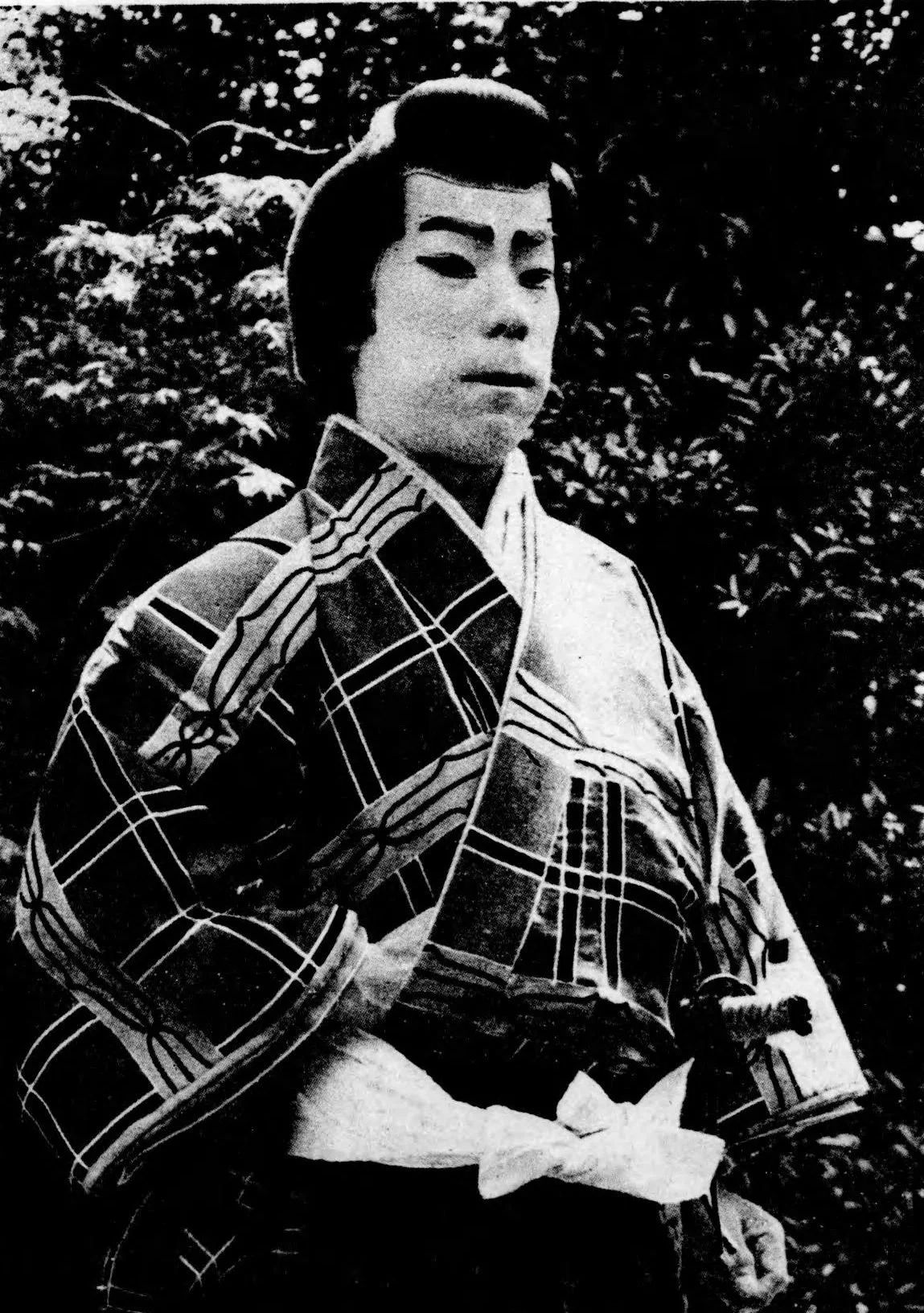
E5 - Yuki Irikura
Yuki Irikura, Assistant Professor at Waseda University, mostly selects D.W. Griffith films for her 1909 list, reflecting the director’s growing powers and appeal. She concludes, however, with old-school tricks and the debut of Japan’s first film star.
-
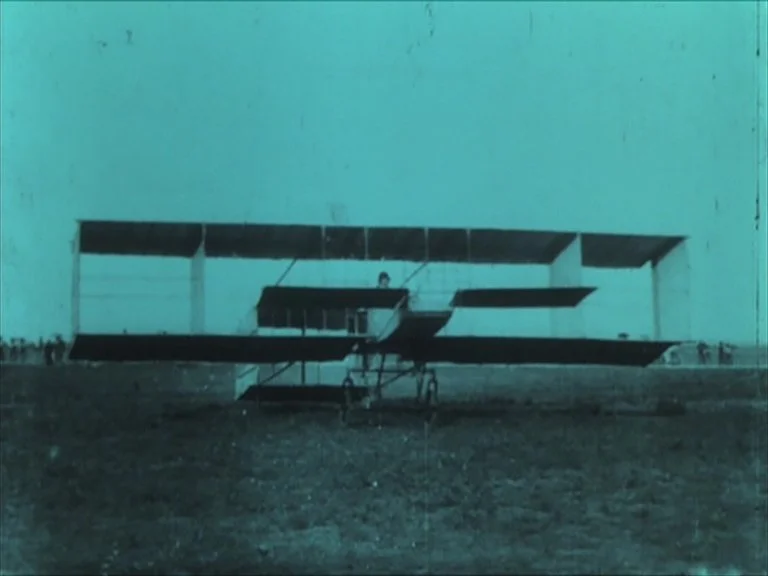
E6 - Paul Flaig
Paul Flaig, Lecturer in Film Studies at University of St Andrews, wrote a stellar synthesis of disciplines with his new book Weimar Slapstick and Hollywood Comedy Transformed. While it clearly deals with a later period than 1909, he still works German and American (and French!) comedy into his picks, in addition to a sound novelty and an actuality with a connection to Franz Kafka.
-
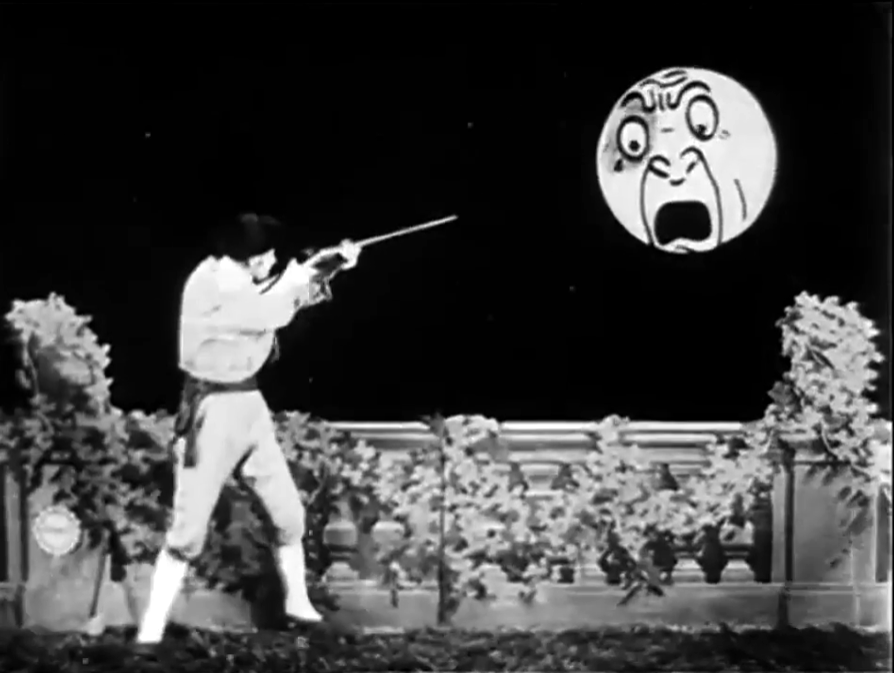
E7 - A Funny Year
One of the most diverse lists of films selected for any season so far defines this brief conclusion to 1909. The unique array of selections does ultimately lead into a universal appreciation for comedy, rising above some of the efforts to “legitimize” the cinematic medium as has been discussed at the tail end of the first decade of the 20th century.